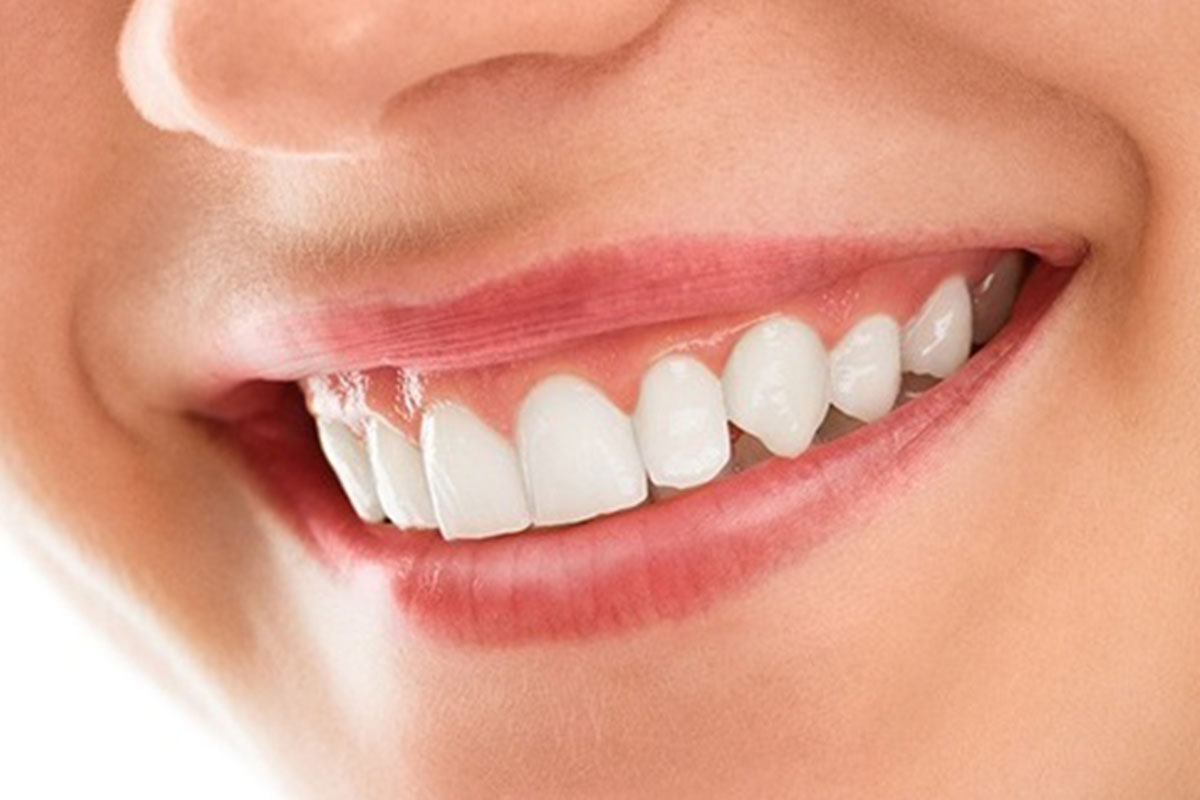
Dentistry has come a long way in the last few years. Dentists are able to provide more services with less invasive procedures, and they have more tools at their disposal than ever before. As technology improves, so does the quality of dental care available to Americans: but that doesn’t mean it’s cheap!
You can spend thousands of dollars every year on routine appointments and procedures that prevent problems from popping up later on down the road.
However, there are plenty of ways to reduce your costs if you’re willing to put in some work yourself. All it takes is a little bit of attention before bedtime or after eating (and maybe even during!)
Brush and Floss at Least Twice a Day
You should brush your teeth at least twice a day, and floss at least once. If you are someone who has trouble remembering to do this, consider investing in an electric toothbrush with a timer that will remind you when to start cleaning your teeth.
You should also get into the habit of rinsing after meals; if possible, use mouthwash or a water flosser for added protection against food particles and bacteria.
Don’t Forget to Brush Your Tongue and the Inside of Your Cheeks
It’s important to clean your tongue. The tongue is a good place for bacteria to grow, and it’s also the perfect place for food particles to get stuck. If you can’t clean the back of your teeth without brushing your tongue, then you may want to invest in an automatic toothbrush with a tongue cleaner.
You should also be sure that you’re cleaning the inside of your cheeks as well as the outside of them. The inside surfaces are hard to reach with regular brushing but just as susceptible to decay and gum disease as any other part of our mouths.
Rinse with Fluoride Mouthwash
Fluoride mouthwash has long been used to treat gum disease, but it can also be used to help maintain your dental health. Fluoride is a mineral that helps fight bacteria in the mouth and reduce bad breath.
It is important that you do not swallow the mouthwash. If you do, it can cause diarrhea or stomach pain. Use it twice daily: once in the morning and once at night before bedtime.
Make sure to check with your dentist if you have any questions about using fluoride products on your child’s teeth since fluoride mixtures are not recommended for children under 6 months old or for those who are allergic to fluoride or sulfites (found in some kinds of food).
Rinse After Eating or Drinking Anything Acidic or Sugary
After eating or drinking anything acidic, you should rinse your mouth with water. The acid in foods and drinks can cause tooth decay and erosion, which are both very serious dental problems.
If you want to make sure that you are rinsing properly after eating or drinking anything acidic, here’s how:
– Pour a glass of warm water into a cup.
– Swish the warm water around in your mouth for 20 seconds to loosen any food particles that may be stuck on your teeth or gums
Skip the Whitening Toothpaste
In addition to being more expensive, whitening toothpaste is not any better at removing stains than regular paste.
Whitening toothpaste tends to be abrasive and can damage the enamel on your teeth, which can increase your risk of developing cavities. If you want whiter teeth, stick with the gentle brushing of a fluoride-fortified gel or paste.
Avoid Tobacco Products of All Kinds
Tobacco products of all kinds are bad for your teeth and gums. They cause tooth decay, gum disease, and oral cancer. Research has shown that there is an increased risk of developing heart disease from smoking cigarettes compared to non-smokers. If you smoke tobacco products, quit now!
While it’s tempting to use online coupons at the grocery store or buy a discounted pack of cigarettes at the gas station, it may be best to pass on these offers if they come with a higher price tag in terms of your health.
If you want to save some money but don’t want to compromise your dental health—or possibly even put yourself at risk for other serious diseases—consider quitting cold turkey instead.
Eat Less Sugar and Starch
Your teeth are subjected to a lot of wear and tear. It’s important to take care of them by brushing your teeth twice a day, flossing once a day, and scheduling regular dental checkups.
But there are other things you can do to help keep your smile healthy as well. Sugar and starch are two common causes of tooth decay, so it helps if you avoid them when possible (or at least limit yourself).
Stick with fresh fruits and vegetables—they don’t have any added sugar or starch in them!
Keep Your Routine Dental Appointments
Dental visits are important for maintaining your oral health, but they can get expensive. It’s important to keep your regular appointments if you want the best results from your dental care and you don’t want to be in pain at home.
If you’re not sure how often you should be visiting the dentist, ask your dentist what they recommend. Most dentists suggest that patients visit once every six months for cleanings, exams and X-rays.
The frequency will vary depending on how healthy your teeth and gums are at each visit—if there is any damage or decay present in either area of the mouth, then more frequent checkups will be needed (which could result in a higher dental bill).
If all looks good as far as tooth decay goes during one of these visits then less frequent appointments may suffice; however this still depends on whether or not there are additional issues besides just having healthy teeth and gums such as TMJ disorder or periodontal disease which could warrant more frequent appointments due to their severity/complexity level.”
If you’re currently looking for a dependable dentist but don’t know where to start, simply google a term like “dentist near me lafayette” and it should give you direction.
Maintain Good Oral Hygiene Habits at Home to Save Money
You can save money on dental work by maintaining good oral hygiene habits at home. Brushing your teeth and flossing daily is the most important thing you can do to maintain dental health, and doing so will save you hundreds of dollars over time.
Brushing alone cleans the surface of the teeth and removes plaque, but it doesn’t get rid of all bacteria—you need to floss once a day too!
To keep up with your oral hygiene routine, consider making some changes to your diet as well.
For example, eating apples will help reduce tooth decay because they contain malic acid that strengthens enamel.
Eating foods high in vitamin C (such as citrus fruits) will also help prevent cavities from forming because they strengthen tooth enamel too!
To avoid further problems down the road (like gum disease), consider using mouthwash after every meal or snack when possible; this kills off any bacteria left behind by food particles lingering between meals (which are perfect breeding grounds for harmful bacteria).
You should also see a dentist at Markham Smile Centre regularly for cleanings; this helps catch small issues before they become big ones!
Conclusion
If you are looking to save money on dental work, it is important to maintain good oral hygiene habits at home. By brushing and flossing your teeth regularly, along with other simple steps like rinsing after eating or drinking anything acidic or sugary, you can keep your mouth healthy for years without needing expensive treatments.
Read Also
- Top Trends Shaping the Future of Mental Health Care
 Mental health care is moving fast to meet daily human needs. People want direct care that fits modern life. Clinics respond by creating flexible options that make healing easier to reach. Providers look past rigid habits to give people solid care. From smart tools to body wellness, these changes help people find relief when life… Read more: Top Trends Shaping the Future of Mental Health Care
 - Full-Arch Dental Tourism: Why UK Patients With Severe Bone Loss Are Looking AbroadDental implants have become one of the fastest-growing segments of private dentistry. Within that market, one patient group behaves very differently from the rest: people who have been told they do not have enough upper jawbone for conventional implants. For these patients, the choice is rarely between one clinic and another. It is between a… Read more: Full-Arch Dental Tourism: Why UK Patients With Severe Bone Loss Are Looking Abroad
- Levels of Mental Health Care and When to Seek SupportMental health care can range from occasional outpatient appointments to 24-hour hospital treatment. The appropriate level depends on safety, symptom severity, daily functioning, medical needs, available support, treatment history and personal preferences. A licensed clinician should assess these factors rather than relying on a symptom list alone. Need help now? In the United States, call… Read more: Levels of Mental Health Care and When to Seek Support
- How to Choose a Shilajit Brand Based on the ResearchIn a randomized trial published in the Journal of the International Society of Sports Nutrition in 2019, 63 active men took 250 mg of standardized shilajit, 500 mg, or a placebo every day for eight weeks, and the benefit for strength retention after a fatiguing workout appeared only at 500 mg. For anyone choosing a… Read more: How to Choose a Shilajit Brand Based on the Research
- How to Incorporate Relaxation into Your Busy ScheduleFinding balance when you have a packed daily agenda often feels out of reach. Between work duties, family obligations, and personal projects, personal rest usually gets pushed to the bottom of the list. Small, intentional shifts in daily habits can help restore calm without requiring hours of extra free time. Continue reading to discover everything… Read more: How to Incorporate Relaxation into Your Busy Schedule